Ancestral Medicine & Southern Rootwork
Sarsaparilla
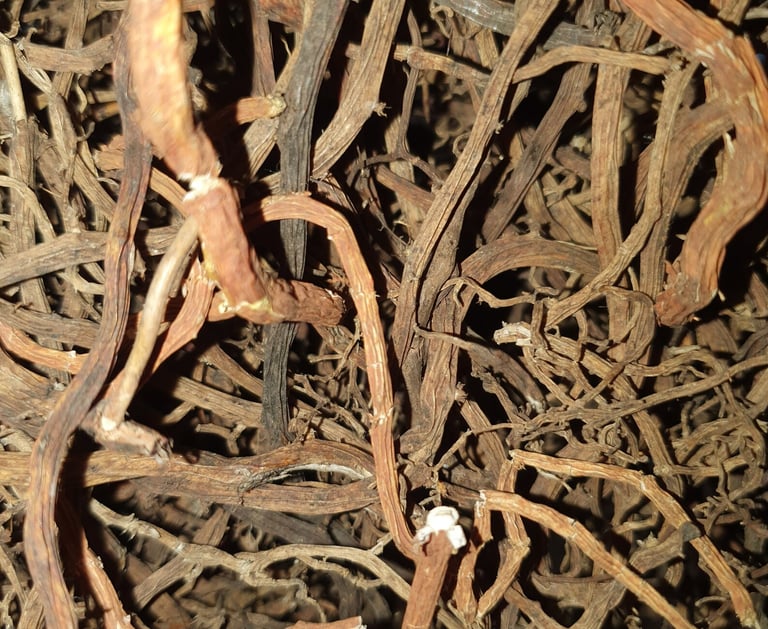
In many texts the use of sarsaparilla root in the old south has been documented for is medicinal uses. Sarsaparilla root was used for many things: topically as an antifungal and anti inflammatory, ingested on the onset of a cold, aid in digestion, and to cleanse the blood.
Sarsaparilla root was commonly given to the children on the onset of the cold or flu and even as a preventative. The kids dreaded the taste of castor oil, so they would often gladly take the sarsaparilla tea to help treat their symptoms before they got worse because they knew what was coming next (castor oil).
Sarsaparilla root was common and it grows on a vine, many could grab it right from their yards and dry them out. Then anytime they wanted tea or a quick treatment when they felt a cold coming on they would grab their dried sarsaparilla.
Topical treatments: Sarsaparilla root can be prepared topically as a poultice by chopping and mashing the roots and applying it to the area, wrapping with a bandage. This can help treat skin conditions such as eczema, rash, ringworm, acne and itching.
As a Tea: Sarsaparilla root is commonly fixed as a tea by steeping 1-2 teaspoons in hot water and steeping for 10-15 minutes. The standard instructions for tea making. This method is to help with colds, prevent illness, cleanse the blood and detox.
When prepared this way you can pair with supporting herbs depending on the condition you are treating. Like with catnip and mullein for colds, fevers, and coughs, or with burdock, and dandelion to help detoxify and cleanse the blood.
(you will mix equal parts of these roots/herbs together totaling 1-2 teaspoons for a single use blend)
In Zora Neal Hurston’s Mules and Men, she shared a collection of prescriptions by root doctors, one being a treatment for Gonorrhea.
“Fifty cents iodide potash to one quart sarsaparilla. Take three teaspoons three times a day in water.”
Spicy Secret: Sarsaparilla root is also a libido enhancer and can be ingested as an aphrodisiac. Take on its own or mix with supporting herbs such as damiana and horny goat weed to provide a boost in sex drive and energy.
Sources: Working The Roots by Michelle E. Lee, pg. 283,284,583,584. Mules and Men By Zora Neale Hurston, pg 303. African American Slave Medicine: Herbal and Non-herbal Treatments by Herbert C. Covey, pg.120. Natural health for African Americans : the physicians' guide by Marcellus A. Walker, M.D. and Kenneth B. Singleton, M.D. , pg. 127
Rabbit Tobacco
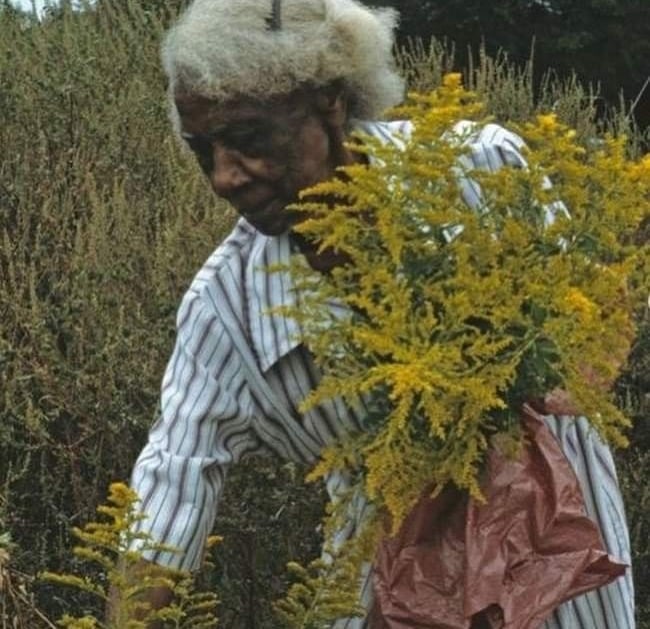
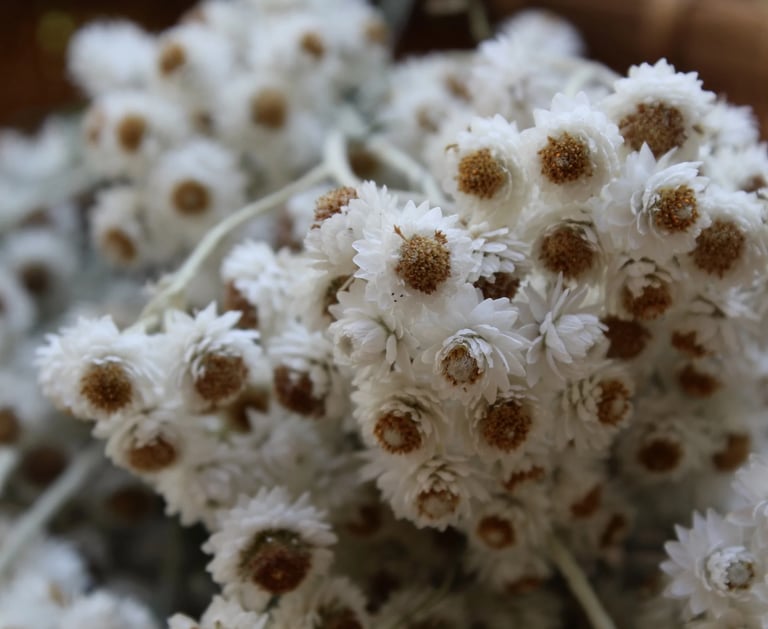
Rabbit Tobacco, popularly known among hoodoo and rootworkers as Life everlasting, has a history of both medicinal and spiritual uses among slaves in the antebellum south. Used in tonics, teas, poultices and even smoked for its benefits.
Medicinally, rabbit tobacco was mainly used for its antiviral properties, and for cold and flu prevention and treatment.
In historical texts, it was said that it was popular for treatment of ailments and as a sedative for children.
Smoking rabbit tobacco was believed to help with congestion, headaches, and coughs. Only used on an as needed basis and inhaled deeply only a couple times to relieve symptoms.
For those who smoked regularly it was often used as a tobacco substitute.
Rabbit tobacco was also known to treat palia and pleurisy when mixed with dog-fennel and butterfly root.
It was commonly made as a tea by itself or mixed with pinetops, mullein leaves, and molasses to treat cold, flu, and respiratory sicknesses.
Sources: Working The Roots by Michelle E. Lee, pg.576-577, African American Slave Medicine : Herbal and Non-herbal Treatments by Herbert C. Covey, pg 166, 178
Turpentine
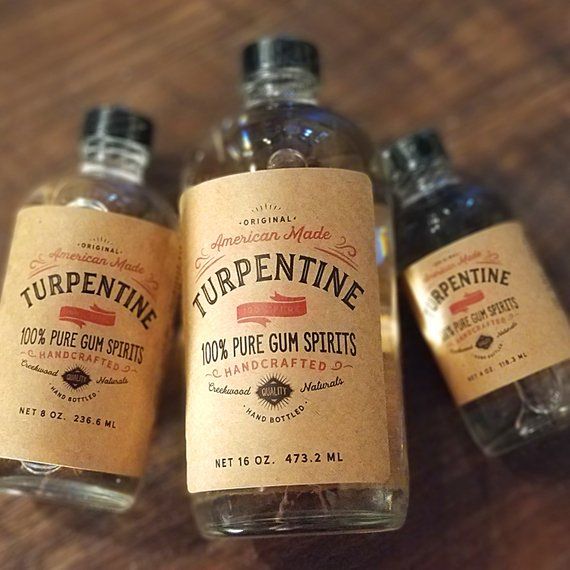
Let’s talk about turpentine. Turpentine comes from pine trees. It’s made
from the resin and goes through a distillation process where it becomes
heavily concentrated. With many practical uses for things such as paint
thinner, cleansing of paint brushes, removing paint, and the manufacturing
of certain rubbers and plastics. Why would I be talking about a paint
thinning product on a blog about southern remedies? Well because despite
these uses and its general toxicity we discovered that it is also a super
strong treatment and preventative for certain sicknesses. We being us
African Americans during the times we didn't have much access to doctors,
modern medicine, and research.
Though there was no researched evidence linking to its benefit in treating
the things we used it for back then with time it was later proven that
Turpentine does help with certain ailments such skin inflammation,
coughs and chest congestion but warns of frequent use because of its
toxicity. When ingesting large doses it can cause convulsions, shock,
and vomiting. People both ingested and topically applied turpentine
for the following ailments and sicknesses:
Flu
Common Cold
Chest Congestion
Lung Problems
Arthritis
Muscle and Joint Pain
Snake Bites
Cuts
Sores
Worms
Methods Of Treatment:
Some people would take a spoonful of castor oil with a couple drops of turpentine to treat worms
Putting a few drops in a bowl of water and setting near the bed to draw a could out from the body
Tonic
3 to 7 drops in a teaspoon of sugar taken once a day for 3 days.
Also taken at the first onset of cold or flu
Topically for chest congestion arthritis and joint pain
A few drops in oil base (olive oil, tallow, castor, vegetable) Rub on area twice a day
Bonus Lore:
In Zora Neale Hurston’s book Mules and Men she shared prescriptions of rootdoctors and their methods of using turpentine to help treat STD’s
To treat Ghonnorea she shared the recipe of “One quart water, one handful of blackberry root, one pinch of alum, one pinch of yellow soap. Boil together. Put in last nine drops of turpentine. Drink it for water until it goes through the bladder.”
To treat Syphilis it was said to “Boil red oak bark, palmetto root, fig root, two pinches of alum, nine drops of turpentine, two quarts of water together to one quart. Take one-half cup at a time. (Use no other water.)”
Sources: Working The Roots by Michelle E. Lee, pg. 619. African American Slave Medicine : Herbal and Non-herbal Treatments by Herbert C. Covey , pg. 142. African American Folk Healing by Stephanie Y. Mitchem, pg.60. Mules and Men By Zora Neale Hurston, pg 281-282.
Pot Licker "Likka" AKA Liquid Gold
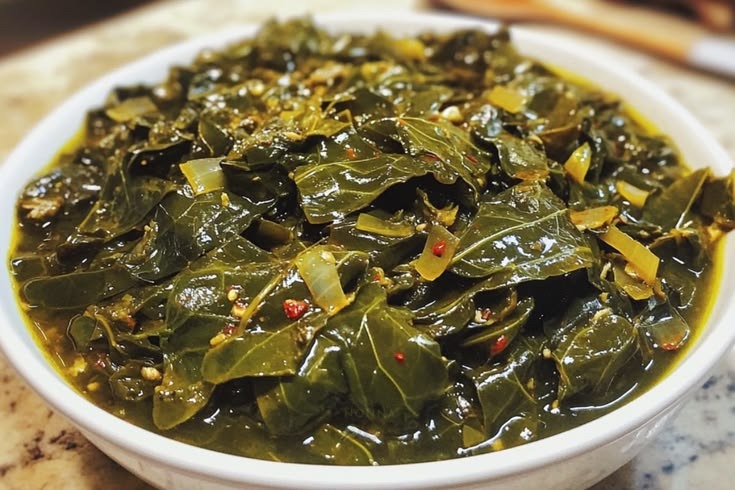
During slavery and colonization in the south African Americans drank and used “Pot Likka” as a remedy to prevent illnesses. It goes by a couple different names Pot Liquor, Pot Likka, or Pot Licker. What is Pot Likka? I’m glad you asked. Pot Likka is the broth that is left over from preparing a delicious hardy batch of southern collard greens. Seasoned and flavored with, but not limited to hot sauce, cayenne pepper, red pepper flakes, chicken broth, vinegar, and meat which is either, smoked turkey legs, ham hocks, or bacon.
Containing many beneficial vitamins and minerals such as Vitamins A, C, D, E, K and B-6, potassium, magnesium, iron, calcium, sodium, zinc and more. The nutrition from the greens is cooked out and left over in the likka.
An old southern remedy and use of pot likka for children is to bathe their limbs in the licker to help a child that is slow to walking. So next time you fix them collard greens especially around the holidays, remember the centuries of history behind it, drink that pot licker up, don’t let it go to waste.
Bonus Southern Remedies: Uncooked collard green leaves were tied to the head as they were believed to relieve one from misery and headaches.
A poultice created from the collard leaves was used as a skin remedy to reduce inflammation, and cure abscesses and boils.
Sources: Working the Roots by Michelle E. Lee, pg 282. Folk Beliefs of the Southern Negro, pg. 340, Slavery and Medicine: Enslavement and Medical Practices in Antebellum Louisiana by Katherine Bankole, pg. 146
An Old School Remedy: Castor Oil
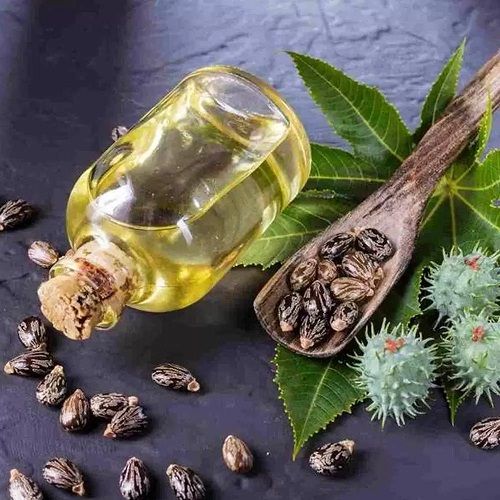
in the south, castor oil was used in the household to heal many physical ailments such as inflammation, pain, aid in digestion, and overall immunity.
some believed taking a spoonful in routine was a great preventative measure for colds and sickness and boosted immunity. for pain, a warm pack was made with castor oil by soaking a cloth with the oil and warming it up and placing it on the affected area.
for hands and feet one would put on the oil and then put on socks or gloves and let it set. this would help relieve joint pain and inflammation.
for constipation, or a bowel flush one would take a 1-4 spoonfuls of castor oil. this will flush out the intestines so it is not recommended to take before bed.
Legal Disclaimers


and of course for all the legal disclaimers... The information shared on this blog is for educational and informational purposes only and has not been evaluated by the FDA. It is not intended to diagnose, treat, cure, or prevent any disease or replace professional medical advice. Always consult with a qualified healthcare provider before making any changes to your diet, health regimen, or taking herbal supplements, especially if you are pregnant, nursing, or taking medications. Flintstone Conjure is not responsible for any adverse effects or consequences resulting from the use of any suggestions or information discussed.
Intention of this Blog
Welcome to my blog! As you all know Hoodoo is a closed religion (and practice to some), so I choose not to share workings and metaphysical properties and uses of roots and herbs in Hoodoo publicly. However, there is more to hoodoo than just spiritual workings, there's southern culture, there's physical healing, remedies, “slave medicine” and so much more.
I am creating this blog to share knowledge of African American Home Remedies and Herbal Healing that manifested in the south during the transatlantic slave trade. This type of knowledge connects us to the other side of rootwork, the side where we extended our healing to the physical body and not just the spiritual one. It bridges our connection to the rich culture of the south as we fought to preserve our ways of healing in new conditions and environments.
None of it has to be put into practice, you can just take it in. I'm simply here to share the knowledge of things I've learned and will be learning along the way.